Simple New Customer Onboarding Workflow for Small Teams
In today's fast-paced business landscape, managing customer relationships is crucial to driving growth and success. A well-implemented customer relationship management (CRM) system can help streamline processes, enhance data accuracy, and provide valuable insights into customer behaviour. A CRM system offers numerous benefits for businesses looking to build a simple new customer onboarding workflow. Firstly, it enables the capture of essential customer information in one place, making it easier to personalise communications and tailor experiences to individual needs. Additionally, a CRM can automate routine tasks such as email sending and follow-up reminders, freeing up staff to focus on more strategic activities. By integrating with other business systems, a CRM can also help to reduce data duplication and improve the overall efficiency of customer interactions. Moreover, it provides
How to Set Up Your CRM
To set up your CRM for effective customer onboarding, start by defining the key stages of the process and identifying the relevant contact information for each stage. This will typically include fields such as name, email address, phone number, and any other details that are relevant to your business. Next, configure your CRM software to create custom workflows or automations that trigger at specific points in the onboarding journey, allowing you to easily track progress and send targeted communications to new customers. Be sure also to set up a clear and concise onboarding process for your sales team, ensuring they have all the necessary information and tools to onboard new customers efficiently.
Common CRM Mistakes to Avoid
When creating a new customer onboarding workflow, it's essential to avoid several common CRM mistakes that can hinder the process and ultimately lead to a poor customer experience. One of the most critical errors is failing to segment your leads effectively, resulting in irrelevant communications being sent to unsuitable customers. Additionally, not having a clear understanding of the customer journey can lead to missed opportunities for personalisation and timely support. Furthermore, neglecting to regularly review and update customer information can result in inaccurate data, causing confusion and inefficiency throughout the onboarding process. By avoiding these common mistakes, you can create a seamless and effective onboarding experience that sets your business up for success.
How to Put This Into Practice
- Determine the key information you need to collect from new customers at each stage of the onboarding process, such as contact details, order history, or subscription preferences.
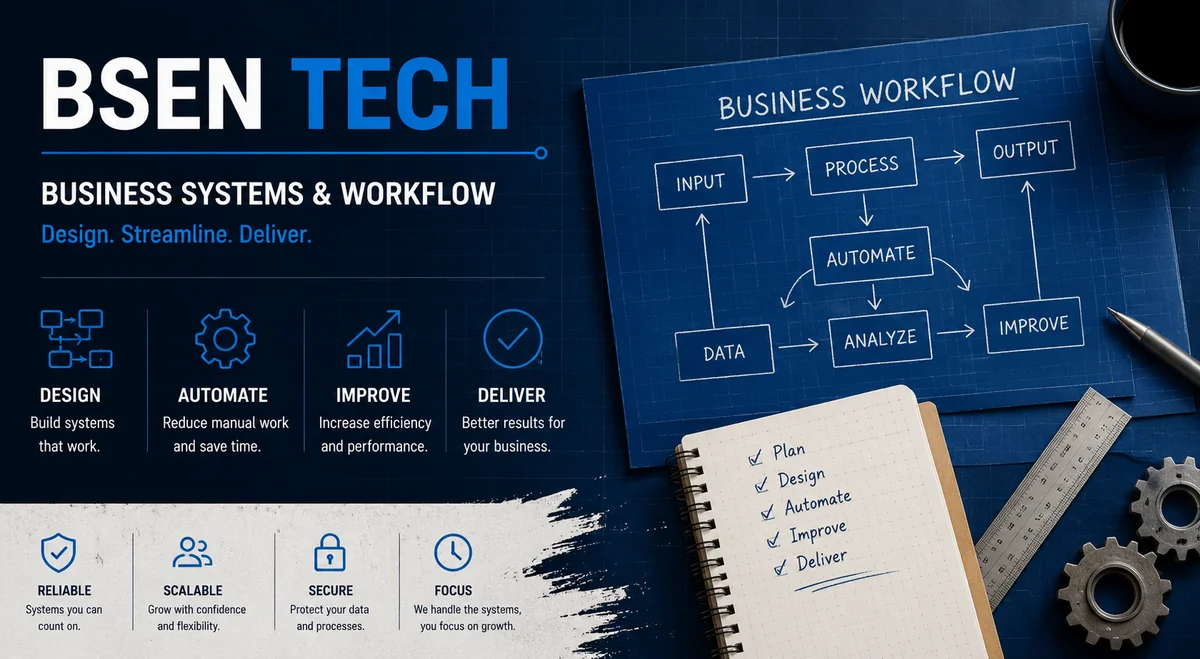
- Develop a visual representation of your ideal onboarding workflow, including all the steps involved, to help guide the design and implementation of the new process.
- Test the new onboarding workflow with a small group of customers to identify any issues or areas for improvement before launching it more widely.
- Monitor the performance of the new onboarding workflow over time, tracking metrics such as completion rates, error rates, and customer satisfaction.
Worked Example
A small independent bakery has recently experienced a surge in online orders, and as such, wants to improve its customer onboarding process to ensure timely delivery of fresh goods. The bakery currently relies on its sales staff to manually update order information in the shop's inventory management system, resulting in occasional delays. To address this issue, the bakery decides to build a simple new customer onboarding workflow that will automatically generate and send automated order confirmations via email to customers upon receiving their online orders. This will not only improve communication with customers but also enable the bakery to more efficiently manage its inventory levels. By automating this process, the bakery aims to reduce delivery times by at least 50%.
Worked Example Continued: Implementing Automated Order Tracking for Real-Time Updates
The bakery has decided to implement automated order tracking by integrating its inventory management system with a third-party shipping software. This integration allows sales staff to receive real-time updates on order status, enabling them to accurately update customer records and reduce manual errors. With this new process in place, the bakery can ensure that customers receive their orders promptly, even during peak periods. The implementation of automated order tracking has been a game-changer for the business, allowing it to scale its operations while maintaining exceptional customer service. By streamlining its onboarding process, the bakery is now better equipped to handle increased demand and provide a seamless experience for its customers.
Frequently Asked Questions
What is the primary goal of onboarding?
The primary goal of onboarding is to ensure a seamless transition from initial engagement to active customer relationship, setting the stage for future sales and revenue growth.
How long does onboarding typically take for new customers?
Typically, onboarding processes can last anywhere from a few days to several weeks or even months, depending on the complexity of the product or service being offered and the individual's needs.
What should smaller teams watch out for?
Smaller teams should watch out for over-simplifying onboarding, overlooking crucial steps or procedures that may impact customer success, and failing to provide adequate training or support.
For small teams looking to streamline their workflows and boost productivity, consider leveraging automated tools like Servadra to simplify data entry and minimise manual errors in CRM systems. — Editor, BSEN Tech