Building a Simple Team Communication Workflow Connected to a CRM
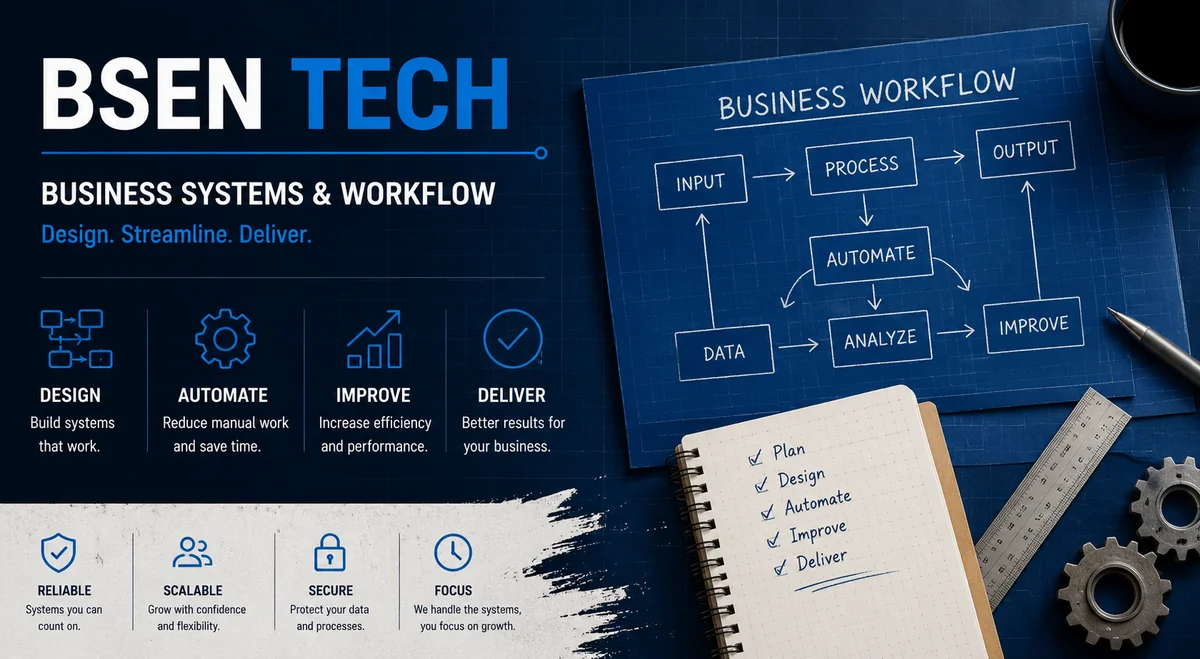
A simple team communication workflow connected to a CRM can greatly improve productivity and efficiency within small teams. By integrating your CRM system with your existing workflows, you can automate tasks, reduce manual data entry, and enhance customer follow-up processes.
Before building your team communication workflow, it's essential to select the right CRM system for your business needs. Consider factors such as scalability, customisability, and integration capabilities when making your decision.
Once you've chosen your CRM, focus on creating a clear and well-defined workflow that meets the unique needs of your business. This may involve setting up task reminders, automating follow-up processes, and mapping customer journeys to improve communication and satisfaction.
A key benefit of building a simple team communication workflow connected to a CRM is reduced manual data entry and increased automation. By leveraging the CRM's built-in features and workflows, you can streamline your business processes and free up more time for high-priority tasks.
In addition to improved productivity, a well-designed team communication workflow can also enhance customer satisfaction. By automating follow-up processes and ensuring timely communication, you can build stronger relationships with your customers and improve overall customer satisfaction ratings.
Ultimately, building a simple team communication workflow connected to a CRM requires careful planning and consideration of your business needs. By following these practical tips and guidelines, you can create an efficient and effective workflow that meets the unique demands of your small team.
- Aim for simplicity and ease of use when designing your team communication workflow.
- Integrate your CRM system with existing workflows to reduce manual data entry and increase automation.
- Focus on building a clear and well-defined workflow that meets the unique needs of your business.
By following these practical tips and guidelines, you can create an efficient and effective team communication workflow connected to a CRM that improves productivity, enhances customer satisfaction, and drives business success.
Connecting Team Messages to the Work That Matters
The most useful version of this workflow is the one that helps the team make the next good decision quickly. That means the process should be visible in the CRM, the owner should be obvious, and the data required at each step should be specific enough that another colleague can pick up the record without starting from scratch. If the process only works when one experienced person is present, it is not yet documented well enough.
- Decide which conversations must stay attached to a CRM record, such as sales handovers, customer complaints, approvals, or project blockers.
- Use a small number of status labels and task owners so internal discussion leads to an action rather than endless commentary.
- Set a rule for when updates belong in chat and when they must be copied back to the CRM record for future reference.
- Review unresolved internal threads daily so they do not turn into hidden delays.
Worked Example
A three-person account team uses chat heavily, but key decisions used to vanish into message history. The team now posts internal discussion in a shared channel only for live coordination and copies the final decision, due date, and owner back to the customer record. That simple discipline means anyone can open the CRM later and understand what was agreed without searching through chat logs.
Common Mistakes to Avoid
- Using team chat as the permanent system of record.
- Allowing internal mentions to replace clear task ownership.
- Creating too many message tags or channels for a very small team.
- Failing to capture final decisions in the CRM after a discussion ends.
Practical Checklist
- Define which conversations must link to a CRM record.
- Assign an owner and due date to every decision.
- Copy final outcomes back into the CRM.
- Review open internal blockers daily.
- Keep the tag and channel structure deliberately small.
What to Measure After Launch
Once the new section of workflow is in use, measure something concrete: the number of records corrected by hand, the time taken to move work to the next stage, the percentage of items with a clear owner, or the share of records that still need chasing outside the CRM. Those checks tell you whether the process is genuinely reducing friction or simply moving it to a different place.
When to Review the Setup
Do a short review after the first two weeks, then again after the first full month. At that point you will normally know whether the fields are sensible, whether the reminders arrive at the right moment, and whether staff are still maintaining side notes because the workflow does not yet fit the way the work really happens. Capture those findings in one place so the next round of changes is based on evidence rather than memory.
If you are introducing this change for the first time, review the workflow after two or three weeks of real use. Look for missing fields, repeated handoff problems, and reminders that nobody acts on. Small operational fixes made early usually have a bigger effect than adding more features later.
Should every internal message be stored in the CRM?
No. Store the decisions and actions that affect customer work, not every informal conversation.
What is the biggest communication risk?
Losing accountability because a discussion happened but nobody owns the next step.
How can a small team keep this lightweight?
Use one clear handover rule and a tiny set of statuses rather than building a full collaboration framework.
What is the simplest way to keep the process accurate over time?
Give one person responsibility for reviewing exceptions, stale records, and repeated staff questions on a regular schedule. A small maintenance habit usually keeps the workflow useful for much longer than a large redesign every few months.
Frequently Asked Questions
What are the key benefits of building a simple team communication workflow connected to a CRM?
A simple team communication workflow connected to a CRM can greatly improve productivity and efficiency within small teams, reduce manual data entry, and enhance customer follow-up processes.
How do I select the right CRM system for my business needs?
Consider factors such as scalability, customisability, and integration capabilities when making your decision.
What are some key features to include in a team communication workflow?
This may involve setting up task reminders, automating follow-up processes, and mapping customer journeys to improve communication and satisfaction.
For small teams, implementing efficient business processes and choosing the right CRM system can be a daunting task, but effective planning can simplify this process significantly. — Editor, BSEN Tech