Mapping Your Customer Journey: A Step-by-Step Guide
When choosing a new CRM system, it's easy to get caught up in the features and functionalities. However, before making a decision, it's essential to map out your customer journey.
The customer journey refers to the series of interactions a customer has with your business, from initial enquiry to purchase and after-sales support. By understanding these interactions, you can identify pain points, opportunities for improvement, and the right CRM system to meet your needs.
Step 1: Identify Your Customer Types
Different customer types have different needs and interactions. For example:
- Existing customers may need regular updates on their accounts and order history.
- New customers may require onboarding and support for the first purchase.
- Potential customers may be interested in product demos or trials.
Step 2: Map Out the Customer Journey
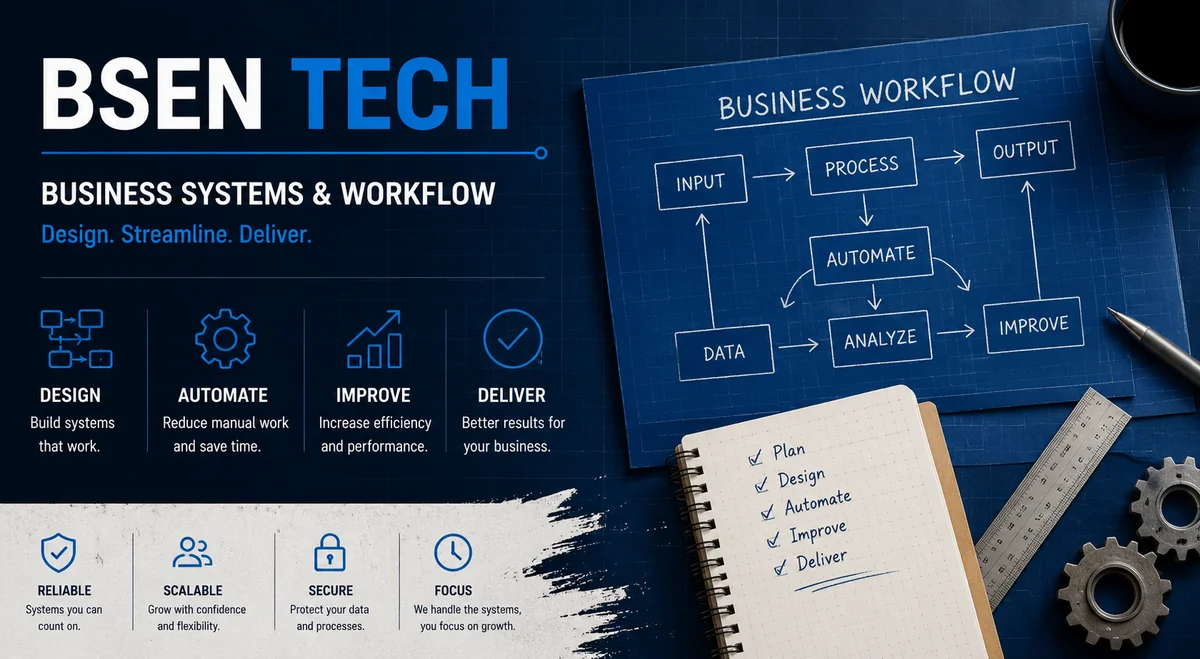
Create a diagram or flowchart that illustrates each stage of the customer journey. This could include:
- Initial enquiry via phone, email, or website.
- Follow-up enquiries to clarify details.
- Purchase and payment processing.
- Post-purchase support and after-sales service.
Consider the channels customers use to interact with your business, such as social media, phone, or email. Also, think about the touchpoints, such as sales representatives, customer service teams, or automated systems.
Step 3: Analyse Pain Points and Opportunities
Review your mapped journey to identify areas where you can improve processes and streamline interactions. Ask yourself:
- Are there any bottlenecks in the process?
- Are there opportunities for automation or streamlining?
- Are there any pain points that need addressing?
This analysis will help you determine which features and functionalities are most important when choosing a CRM system.
Step 4: Choose the Right CRM System
- Integration with existing systems and tools.
- Customisation options to suit your business model.
- Scalability to accommodate growing customer bases.
By mapping out your customer journey, you'll be able to choose a CRM system that supports your business goals and provides a better experience for your customers.
"How to Map the Journey in a Way Software Selection Can Use
The most useful version of this workflow is the one that helps the team make the next good decision quickly. That means the process should be visible in the CRM, the owner should be obvious, and the data required at each step should be specific enough that another colleague can pick up the record without starting from scratch. If the process only works when one experienced person is present, it is not yet documented well enough.
- Start with the stages the customer actually experiences, from first enquiry to delivery, review, renewal, or repeat purchase.
- For each stage, note the handovers, delays, common questions, and information the team needs to do the work properly.
- Mark where data is created, duplicated, or lost so you can see what the software truly needs to support.
- Only after the map is complete should you compare tools against those real requirements.
Worked Example
A small consultancy thought it needed advanced project automation. Once it mapped the customer journey, the real pain points were simpler: slow lead handover, unclear proposal status, and missed onboarding tasks. That map prevented the team from buying a system designed for a different problem and helped it focus on practical workflow support instead.
Common Mistakes to Avoid
- Mapping internal departments rather than the customer journey itself.
- Describing an ideal process instead of the messy one that really happens today.
- Skipping post-sale stages such as onboarding and renewal.
- Turning the exercise into a theoretical workshop with no software-selection outcome.
Practical Checklist
- List the real customer stages from first contact onwards.
- Note handovers, delays, and duplicated admin at each stage.
- Identify what information is needed to move forward.
- Highlight the points where software must provide visibility or reminders.
- Use the finished map as the basis for tool comparison.
What to Measure After Launch
Once the new section of workflow is in use, measure something concrete: the number of records corrected by hand, the time taken to move work to the next stage, the percentage of items with a clear owner, or the share of records that still need chasing outside the CRM. Those checks tell you whether the process is genuinely reducing friction or simply moving it to a different place.
When to Review the Setup
Do a short review after the first two weeks, then again after the first full month. At that point you will normally know whether the fields are sensible, whether the reminders arrive at the right moment, and whether staff are still maintaining side notes because the workflow does not yet fit the way the work really happens. Capture those findings in one place so the next round of changes is based on evidence rather than memory.
If you are introducing this change for the first time, review the workflow after two or three weeks of real use. Look for missing fields, repeated handoff problems, and reminders that nobody acts on. Small operational fixes made early usually have a bigger effect than adding more features later.
Who should join the mapping exercise?
Include the people who do the day-to-day work, not just managers, because they know where the friction really sits.
How detailed should the map be?
Detailed enough to show decisions, handovers, and missing information, but not so detailed that it becomes unreadable.
Can the map be reused later?
Yes. It is useful for training, process improvement, and reviewing whether the chosen software is delivering value.
What is the simplest way to keep the process accurate over time?
Give one person responsibility for reviewing exceptions, stale records, and repeated staff questions on a regular schedule. A small maintenance habit usually keeps the workflow useful for much longer than a large redesign every few months.
Frequently Asked Questions
What is the purpose of mapping my customer journey?
To understand your customer's interactions and identify areas for improvement.
How long does it take to map out my customer journey?
It can take anywhere from a few hours to several days, depending on the complexity of your business and the number of customer types.
Do I need to be technical to map out my customer journey?
No, you don't need to be technical, but having some basic understanding of CRM systems and workflows can be helpful.
When implementing new technology, it's essential to consider how it will integrate with existing systems and processes, rather than merely replacing them. — Editor, BSEN Tech